
Honey and Bees
By Team Optifarm
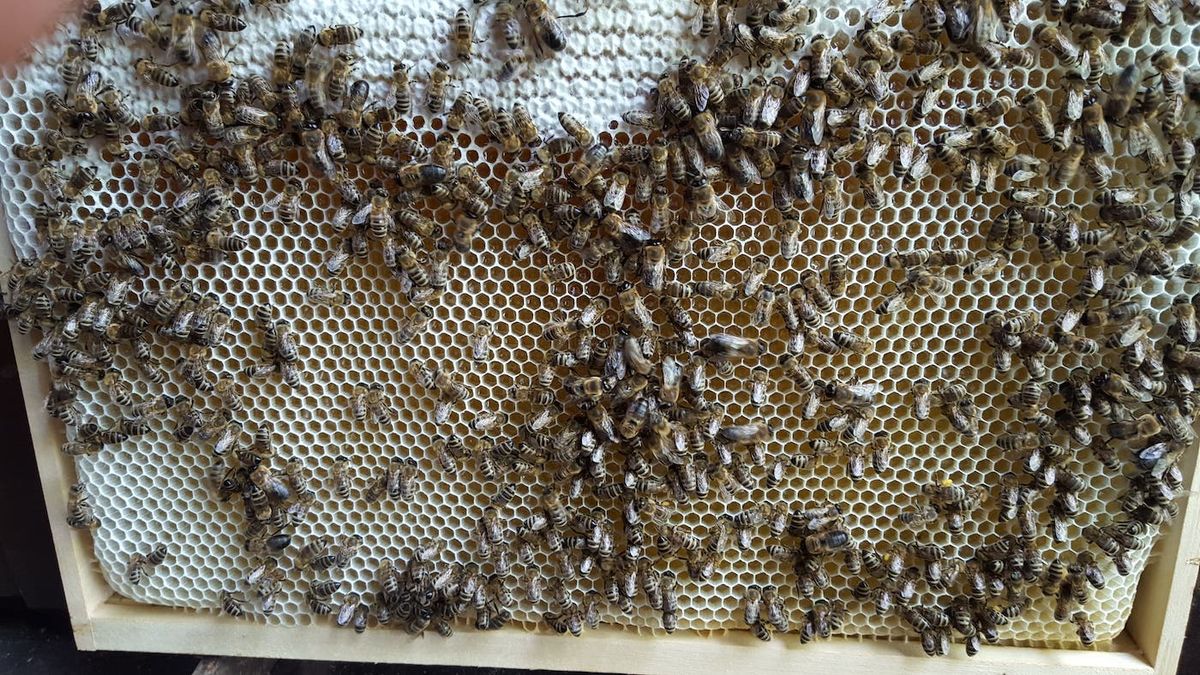
HONEY AND BEES
On Thursday, on 16th of April 2020, we have signed a letter of intent with the Slovenian Beekeepers Association (ČZS). We are very pleased that ČZS recognized the value of collaboration with help of the digital platform and the importance of digital transformation for short food supply chains. On this occasion, we will dedicate our blog post to honey and hardworking bees. More information can be found on the ČZS website.
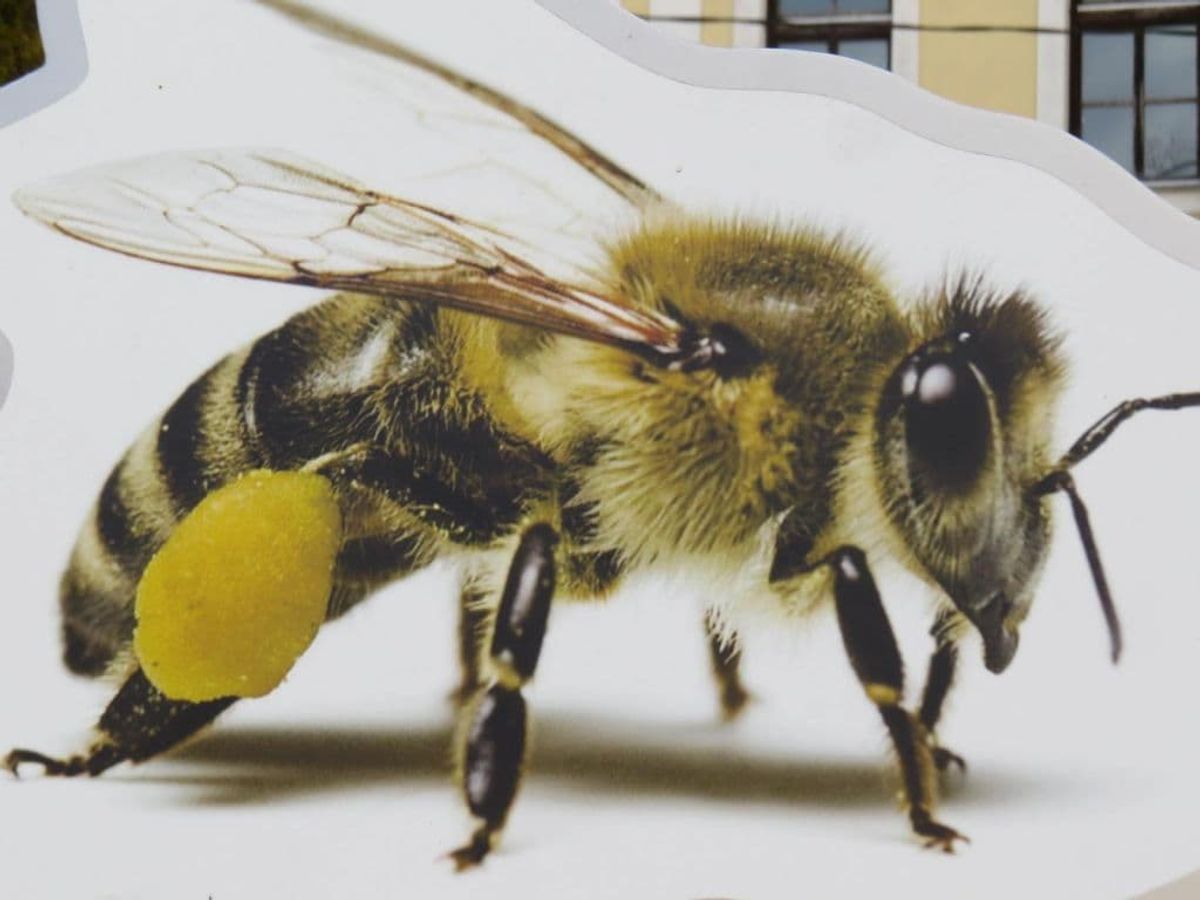
FUN FACTS: Thrushes live 60 days. They emerge from the hive after ten days when they become sexually mature.
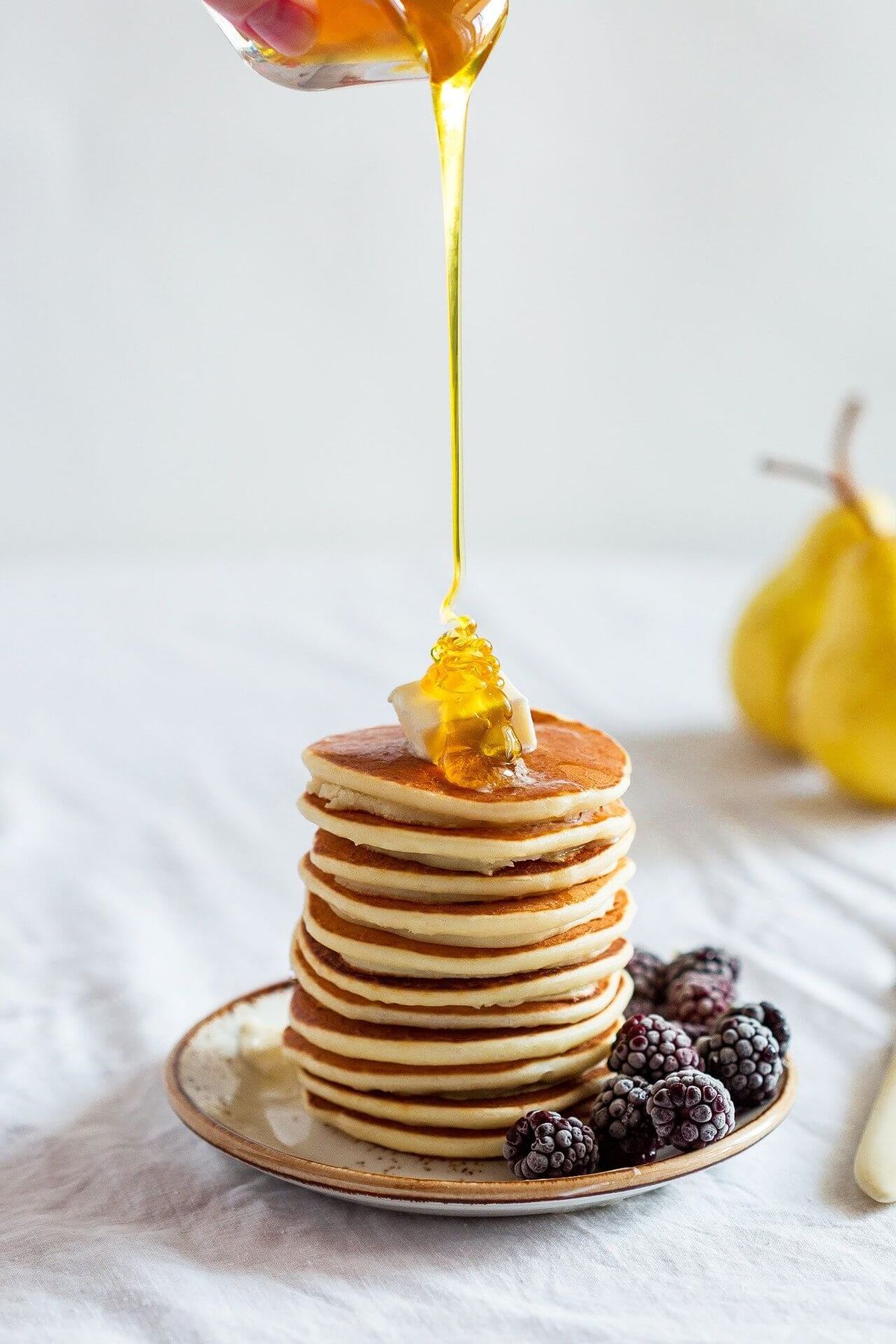
1. HONEY
The largest producers of honey are China and Argentina, the largest consumers are Germany, Austria, Switzerland, Portugal, Hungary and Greece with 1-1.8 kg per capita per year. In Slovenia, we record a little more than a kilogram of honey consumed per capita.
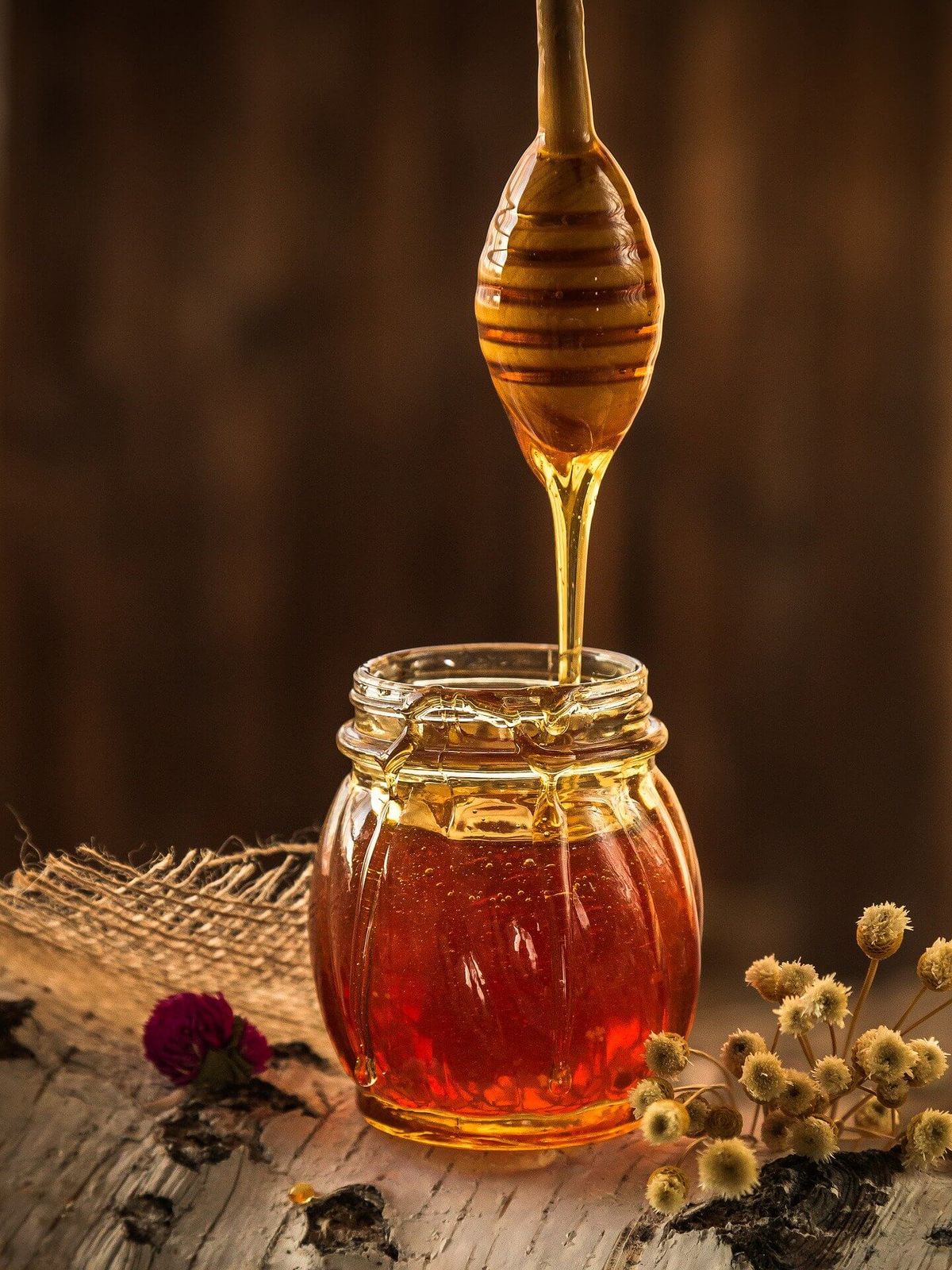
Honey is a food of animal origin. Depending on the source, it is divided into:
- flower honey or nectar honey (obtained from flower nectar),
- manna honey or forest honey (obtained mainly from insect excretions on living parts of plants or excretions of living parts of plants).
1. 1. BASIC NUTRIENTS
| Nutrient | Value |
|---|---|
| Protein | 0 g |
| Fat | 0 g |
| Carbohydrates | 82 g |
| Energy value | 328 kCal |
Honey is basically a concentrated solution of three types of sugar:
- grape sugar - 27 to 36% glucose (average 34%),
- fruit sugar - from 33 to 42% fructose (average 40%),
- cane or beet sugar - 1 to 4% sucrose,
- other sugars;
1. 2. ADVANTAGES
We must be aware that honey, despite its small proportion of healthy ingredients, is still predominantly sugar. It can be used to replace other forms of free sugar that contain almost no useful substances. Free sugars are a recognized risk factor for metabolic syndrome, type II diabetes, obesity and caries. In the daily diet, the average physically active individual should consume a maximum of 5-10% of the energy content in the form of free sugars. For a healthy adult with average needs, it is recommended to consume a maximum of three to four teaspoons a day, for a child up to two teaspoons a day, provided that we do not consume additional sugars with sugary foods, drinks or food. Until the completed first year of life, the consumption of honey is not recommended due to possible contamination with the bacterium Clostridium botulinum and the development of botulism.
1. 3. STORAGE
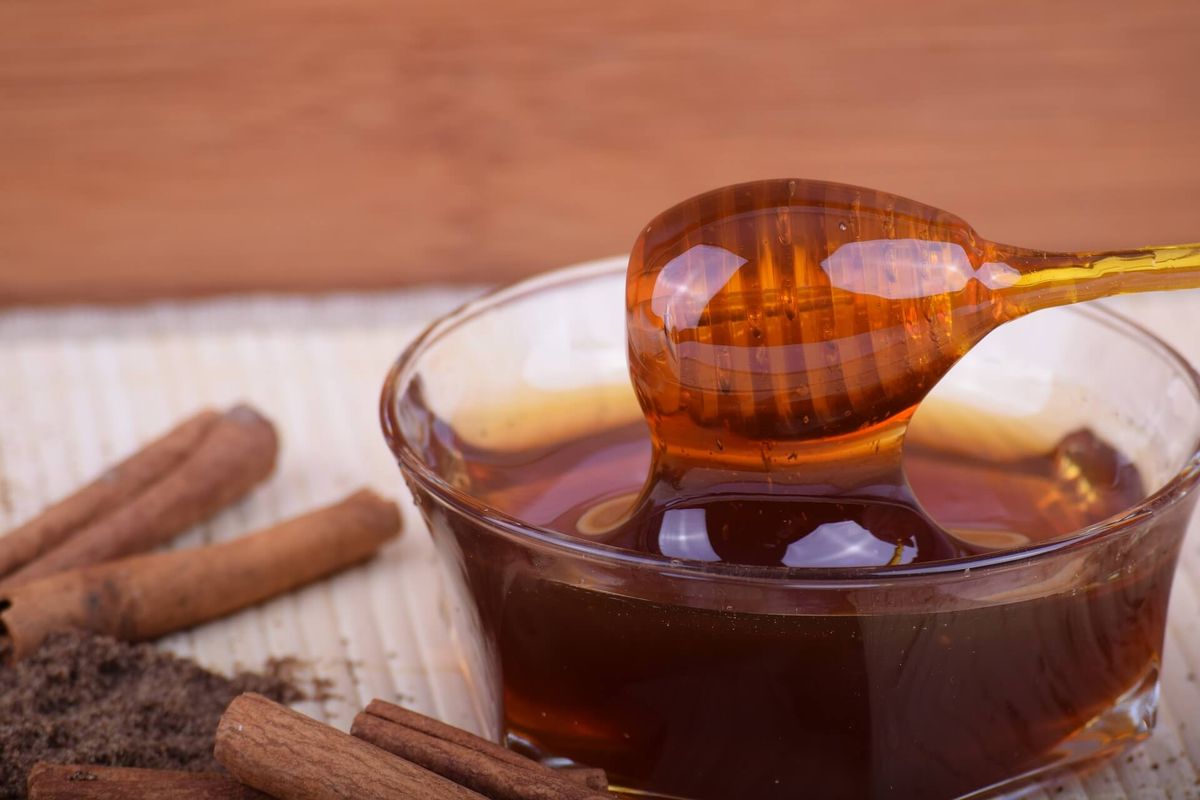
The most optimal temperature for usage is between 18 and 24 °C. As the storage time lengthens, crystals may form in the honey. It is a natural phenomenon that occurs in almost all types of honey and depends on the ratio of glucose to fructose and the ratio of glucose to water. Honey with less glucose crystallizes later.
FUN FACTS: Only honey of natural origin crystallizes.
1. 4. PREPARATION
Honey is supposed to be enjoyed in its natural form without any special preparation procedures. Honey is not unnecessarily exposed to thermal processes, as higher temperatures damage or nullify certain naturally occurring protective substances. For the same reason, honey is not added to excessively hot beverages (eg tea), but is added only when the beverage has cooled down (or reaches a temperature below 40 ° C).
2. BEE FAMILY
The bee as itself is incapable of living independently, so it lives in a bee family. This is organized and works like a super organism, comprising of one queen, 60,000 bees (at the peak of the season) and a few thousand trout. Bees need honey, pollen, water, air and heat for normal development. In order for bees to survive unfavorable periods of the year, they also create a supply of honey and pollen. That is why man also breeds them.
FUN FACTS: The queen lays up to 2,000 eggs in 24 hours, which are heavier than herself.
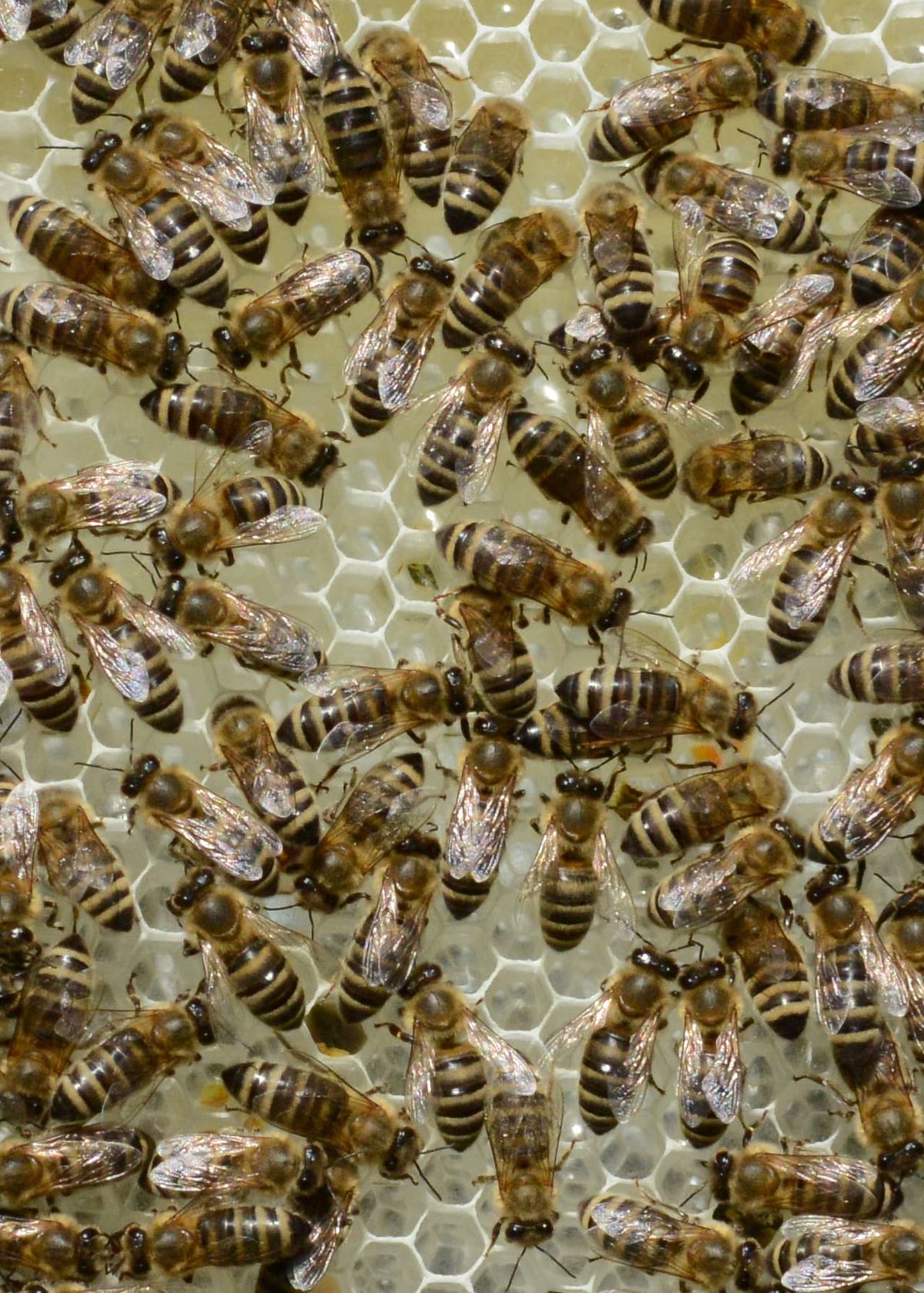
The bee family consumes about 70 kg of honey and 20-30 kg of pollen in one year. Most of this food is consumed in the summer, when development is strongest. If the year is unfavorable, the beekeeper must urgently help the bees with sugar and pollen substitutes. Due to lower food consumption, the number of bees is reduced to about 10,000 in winter. The bee family is trout-free in winter because bees throw them out of the hives in autumn.
Bees can be divided into the work they perform, namely:
| Day | Task |
|---|---|
| 1 - 3 | CLEANERS: bees cleaning their own and other cells in which the queen lays her egg |
| 3 - 11 | FEEDERS: bees feeding larvae with honey and queens with royal jelly |
| 12 - 18 | BUILDERS: bees making honeycombs, receive medicine, ventilate hives |
| 19 - 21 | GUARDS: bees protecting the hive from enemies |
| 22 - 30 | WORKERS: bees collecting medicine, pollen and water |
FUN FACTS: The queen lives up to five years, but in modern beekeeping they need to be changed every other year.
FUN FACTS: In the spring and in the first half of summer, bees work a lot, so their lifespan is only 40 days, while in the second half of the year the intensity of their work decreases, so they live up to 60 days. The bees raised at the end of the year live until the following spring, when they raise the first brood.