
The Importance of Local Food for Children in Preschools and Schools
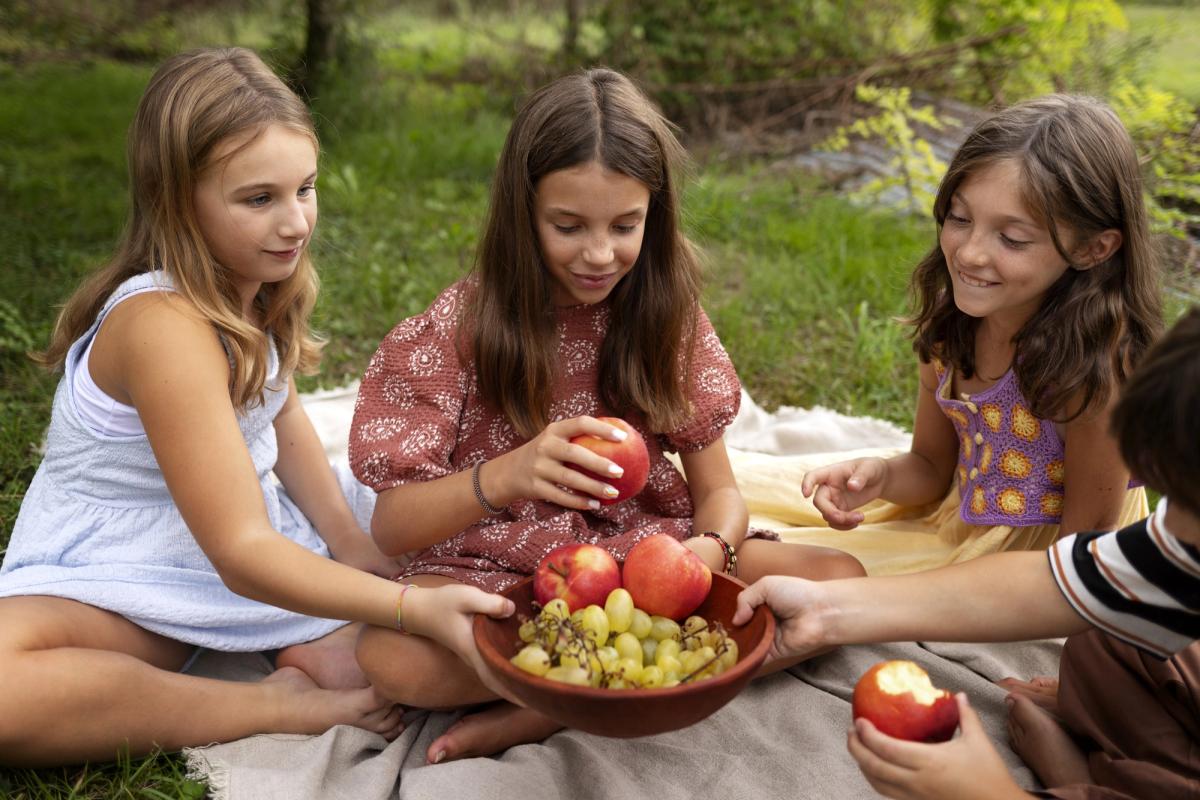
In today's fast-paced world, it often seems like our meals are becoming increasingly dependent on the global market and fast food. However, more and more people are recognizing the significance of local food for maintaining health, supporting local communities and economies. Particularly important is ensuring that children receive quality and nutritious food during their early developmental stages. Thus, introducing local food in preschools, schools, and other public institutions is crucial for securing a healthy future for our children.
1. Local Food Promotes Healthy Development
Nutrition is vital for proper child development. Food rich in vitamins, minerals, and other nutrients enables optimal growth, brain development, and boosts the immune system. Locally grown food often has higher nutritional value as it's typically fresher and less processed than imported food. By consuming food grown in the local environment, children can connect with nature and develop an awareness of the importance of fresh ingredients for their health.
2. Support for Local Farms and the Economy
Choosing local food can be seen as an investment in our community. Purchasing food from local farmers and producers contributes to maintaining jobs and economic growth in our area. Supporting local farms also enhances sustainable farming practices, reducing emissions from food transportation and promoting the use of organic farming methods.
3. Learning Healthy Dietary Habits
Raising children in an environment where they're offered diverse and fresh local food has long-term effects on their dietary habits. If children learn to value locally produced food from an early age, there's a greater likelihood that they'll choose healthy dietary options in the future. Additionally, educational programs can be implemented through such environments to teach children about the importance of a varied diet and the impact of food on their health.
4. Ecological Aspects and Sustainability
Transporting food over long distances significantly impacts carbon footprint and the environment. Opting for local food can be seen as a step toward reducing environmental impact. Shorter distances between food production and consumption result in fewer greenhouse gas emissions, contributing to a sustainable future for us and our children.
5. Strengthening Community and Local Identity
The connection between local food producers and public institutions like preschools and schools enhances the sense of community. Children can learn about their environment, culture, and history through the food they consume. Collaboration among various stakeholders in the community leads to a richer and more connected life for everyone.
In conclusion, introducing local food in preschools, schools, and other public institutions has numerous positive effects. It's a step toward ensuring a healthy future for our children, sustaining local communities, and promoting sustainable dietary habits. By understanding the significance of local food, we can together create a better tomorrow for ourselves and our youngest generation.
The goal of the CLLD project Lokalno GOR is to create an environment and conditions that will provide greater opportunities for awareness, preservation and introduction of locally produced food and thus higher nutritional self-sufficiency in the LAS Gorenjska košarica area. 🍎🌶🥕🌽🍲🥛
The project is partially financed by the European Union from the European Agricultural Fund for Rural Development (EAFRD).
Razvojna agencija Zgornje GorenjskeMestna občina KranjKGZ SLOGAKGZS - ZAVOD KRANJ Kgz Sava Sava BIOTEHNIŠKI CENTER NAKLO
